
.png?width=615&height=346&name=Article%20Images%20(14).png)
GLP-1 medications are reshaping consumer behavior across retail, and convenience stores are no exception. While much of the conversation has focused on food and beverage assortment, new data shows the real impact runs deeper. As shoppers become more intentional, the physical store environment carries more weight in shaping trust, comfort, and repeat visits.
According to NACS, GLP-1 users are not shopping less at convenience stores. Instead, they are shopping differently, favoring smaller trips, portion-controlled items, and categories tied to freshness, hydration, and quality. That shift elevates the importance of facilities performance in ways many operators did not anticipate.
What the NACS Data Tells Us About GLP-1 Shoppers
The January 2026 NACS outlook highlights several categories gaining momentum with GLP-1 consumers, including deli and prepared meats, snack bars, yogurt, fruit, and hydration-focused beverages. Frozen novelties, pastries, and donuts in single-serve formats are also performing well, allowing shoppers to satisfy cravings without committing to bulk purchases.
Hydration stands out as a defining behavior. GLP-1 users are consuming more beverages overall and increasingly prefer sugar-free options. Diet carbonated beverages, bottled water, and sports drinks are seeing increased interest as a result. As NACS notes, better-for-you does not mean less convenient.
These trends point to one conclusion: convenience stores remain highly relevant, but expectations around freshness, reliability, and ease are rising.
Why Facilities Matter More as Shopping Becomes More Intentional
When shoppers are browsing casually, minor friction often goes unnoticed. When they are shopping with purpose, every detail stands out.
As GLP-1-driven behavior shifts toward deliberate choices, facilities performance becomes part of the brand experience. Cleanliness, lighting, temperature control, and equipment uptime directly influence whether a shopper feels confident buying fresh food, chilled beverages, or prepared items.
Facilities teams support these moments by ensuring:
- Refrigeration systems maintain consistent temperatures for fresh and frozen offerings
- HVAC systems create comfortable, odor-free environments around foodservice zones
- Lighting supports clear visibility and highlights prepared and better-for-you items
- Layouts and equipment placement reduce congestion and speed trips
In short, when customers are more intentional, friction becomes more visible and great facilities management quietly removes it.
Refrigeration and HVAC Are Now Revenue Enablers
Many of the categories growing with GLP-1 shoppers are highly sensitive to equipment performance. Fresh food, yogurt, fruit, and hydration beverages all rely on refrigeration consistency. Even minor temperature swings can impact product quality, food safety, and customer trust.
Similarly, HVAC reliability plays a larger role as stores expand prepared food programs. Heat load from hot food equipment, longer dwell times in foodservice areas, and higher expectations for comfort make proactive HVAC maintenance essential.
Facilities and project teams that prioritize preventive maintenance, asset standardization, and equipment upgrades help stores adapt to these shifts without operational disruption.
Store Projects That Support Changing Shopper Behavior
Beyond maintenance, targeted facility projects help retailers capitalize on evolving demand. These include:
- Refrigeration upgrades to support expanded fresh and single-serve assortments
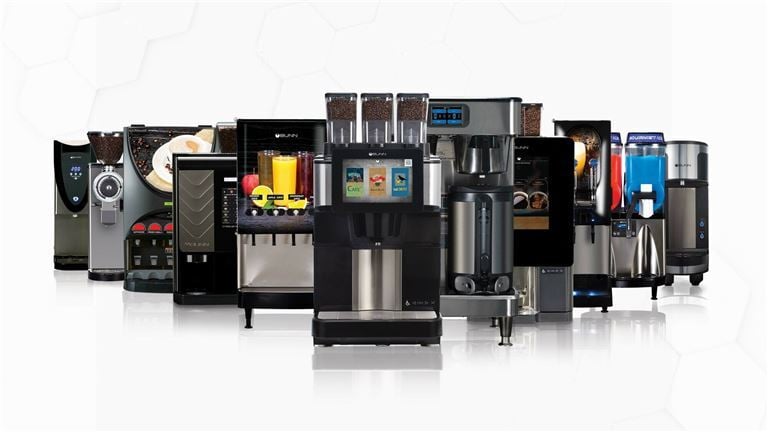
- Beverage equipment installations aligned with hydration and sugar-free trends
- Lighting refreshes that improve visibility and product presentation
- Remodels and layout adjustments that improve flow for quick, intentional trips
Executing these projects consistently across large portfolios requires centralized coordination, qualified service partners, and disciplined program management.
Project Spotlight: Enabling Store Adaptation at Scale
As GLP-1-driven shopping behavior shifts demand toward fresh, single-serve, and hydration-focused offerings, many convenience retailers face the same challenge: how to execute facility upgrades consistently across large portfolios without disrupting daily operations.
Vixxo supports these transitions through centrally managed, locally executed projects that align store infrastructure with evolving shopper expectations. Common initiatives include refrigeration upgrades to support fresh and frozen assortments, beverage equipment installations tied to hydration trends, HVAC modifications to handle added heat loads from prepared food programs, and lighting refreshes that improve visibility and flow.
Projects are delivered using standardized scopes, qualified service providers, and centralized oversight to minimize downtime and control cost. Just as importantly, new assets are integrated into preventive maintenance and monitoring programs, helping retailers protect performance, food safety, and energy efficiency long after installation.
This approach allows facilities teams to adapt quickly as consumer behavior evolves, without adding operational burden or sacrificing consistency.
Facilities Teams Enable Convenience to Keep Up With Convenience
GLP-1 medications may be influencing how consumers eat, but the fundamentals of convenience remain unchanged. Shoppers still expect fast, easy, and reliable experiences. As trips become more intentional, the physical environment plays a larger role in earning trust and repeat visits.
Facilities teams are central to that outcome. By ensuring refrigeration reliability, HVAC comfort, lighting clarity, and friction-free store layouts, they help convenience retailers adapt to changing shopper behavior without losing speed or consistency.
Facilities may not be the headline, but as GLP-1 reshapes convenience, they are increasingly the reason the headline works.
Frequently Asked Questions
Are GLP-1 shoppers spending less at convenience stores?
No. NACS research indicates that GLP-1 users are shopping more intentionally, not abandoning convenience stores. Single-serve and portion-controlled items are performing well.
Why does refrigeration matter more with GLP-1-driven trends?
Fresh, better-for-you, and hydration-focused categories are sensitive to temperature and presentation, making refrigeration reliability critical.
How can facilities teams support evolving consumer behavior?
Through preventive maintenance, HVAC and refrigeration upgrades, lighting improvements, and well-managed store refresh projects.
Want to talk facilities?
Leave a comment or question below and we'll reach out!