
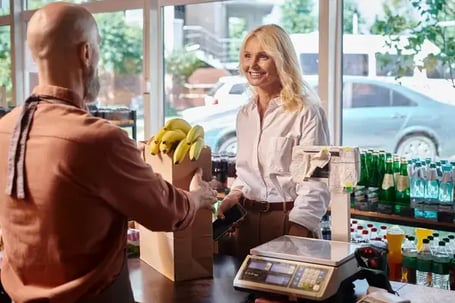
The data tells a different story. According to Placer.ai research, "convenience is not the most important thing. Product quality, experience, and value all have a superior role."1 Customers will drive past a cheaper option to get to a store that feels right. They will pay more for a coffee machine that works, a restroom that is clean, and a store that is comfortable. What they will not forgive is a facility that consistently fails them. The American Customer Satisfaction Index (ACSI) convenience store study shows an 11-point gap between the highest and lowest-rated c-store brands — and that gap is driven almost entirely by store condition, food quality, and experience, not price.2
"The brands rising to the top are doing more than just selling coffee and snacks. They're building communities inside their stores."
Director of Research Emeritus, American Customer Satisfaction Index2
80%
of a c-store's future revenue comes from returning customers3
34%
of shoppers associate sign quality directly with overall store quality3
60%+
of businesses reported a 10% sales increase after updating their signage3
Facilities Are a Customer Experience Decision
For decades, facilities management (FM) has been treated as a cost center — something to minimize, defer, and manage reactively. That framing misses what facilities actually are: the physical delivery mechanism for your brand promise. Every customer who walks through your door is experiencing your facilities program, whether you think of it that way or not.
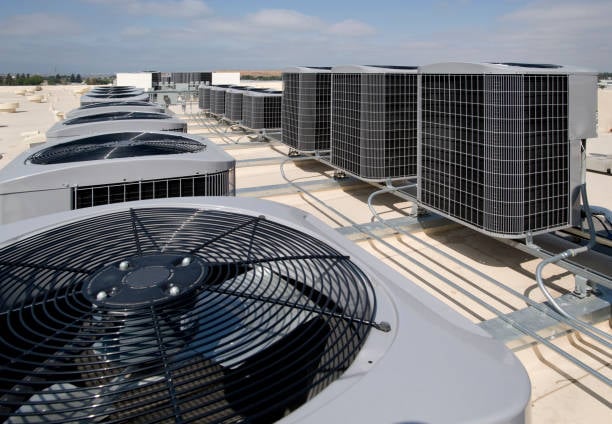
A hot store is not just an HVAC (Heating, Ventilation, and Air Conditioning) problem. It is a customer who cuts their visit short, buys less, and does not come back. A broken coffee machine is not just a service call. It is the loss of a high-margin beverage purchase from a customer who visited specifically for that product. A flooded restroom is not just a plumbing ticket. It is a one-star review and a customer who tells everyone they know. Facilities directors and VPs who make the connection between equipment uptime and revenue retention are the ones who win the internal budget argument every time.
How Facility Failures Translate to Customer Losses
| Facility Failure | Customer Experience Impact | Revenue Consequence |
|---|---|---|
| HVAC down, store too warm | Shortened dwell time, discomfort, negative associations | Fewer impulse purchases, reduced basket size |
| Coffee machine offline | Trip purpose eliminated, customer leaves empty-handed | Lost 40%+ margin beverage sale + companion purchase |
| Restroom out of service | Hygiene signal damages entire brand perception | Lost visit + negative word-of-mouth and reviews |
| Exterior sign outage | Reduced nighttime visibility, lower curb appeal | Missed drive-by traffic, weakened brand impression |
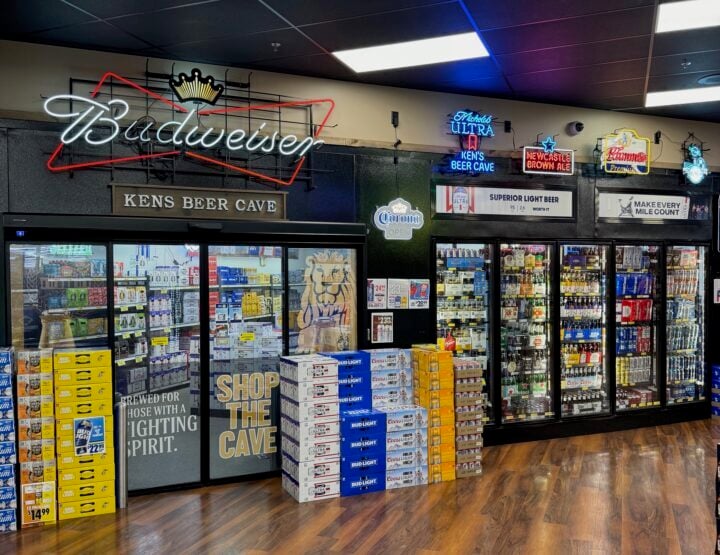
| Beer cave / cooler failure | Product unavailability, food safety concern | Lost high-frequency purchase category entirely |
The Experience Economy Is Already Here. Most Facilities Programs Are Not.
Returning customers generate 80% of a convenience store's future revenue.3 That is not a loyalty program statistic. It is a facility maintenance argument. Every repeat visit your store earns is a vote of confidence in the experience you deliver — the temperature, the cleanliness, the equipment that works, the coffee that is actually available. Every repeat visit you lose is a quiet indictment of a deferred work order somewhere in your portfolio.
The ACSI's 2025 convenience store rankings make the case plainly. Brands with the highest customer satisfaction scores are not necessarily the ones with the lowest prices. They are the ones delivering quality food and beverage options in a clean, comfortable, well-maintained environment.2 The gap between the best and worst performers is 11 points — and that gap is almost entirely a facilities story.
When Facilities Work
Customers stay longer, spend more, come back more often, and become vocal advocates. Equipment uptime is the invisible engine behind every strong loyalty metric.
When Facilities Fail
Customers cut visits short, skip purchases, leave negative reviews, and switch to a competitor. They rarely tell you why. They just stop coming.
What This Means for Facilities Directors and VPs
The internal budget conversation around facilities maintenance often centers on cost containment. That framing is incomplete. The more powerful argument — and the one that wins executive support — is the revenue protection argument.
When facilities leaders can quantify what a hot store costs in reduced basket sizes, what a broken coffee machine costs in lost beverage margin per hour, or what a restroom failure costs in review velocity, the maintenance budget becomes a revenue defense line item rather than an overhead reduction target. Vixxo's outcome-based model is built on exactly this premise: we are penalized when equipment is down, which means our incentives are aligned with yours.
C-store expenses increased 5.2% in 2024 across maintenance, utilities, labor, and distribution.3 The operators who will protect margin in that environment are not the ones who cut facilities spend. They are the ones who invest it more intelligently — shifting from reactive repair to proactive maintenance, from cost-plus service models to outcome-based contracts, and from location-level visibility to asset-level analytics that surface problems before they become customer experience failures.
Take fuel for example. Customers are always going to buy gas. The question is where. When competitors carry the same commoditized product at the same prices, a customer's experience and comfort is the key brand differentiator.
Senior Director of Operations
Frequently asked questions
Does facility condition actually influence where customers shop?
Yes, consistently. Research shows that when competitors offer the same products at similar prices, store condition and experience become the deciding factor. The ACSI 2025 c-store study found an 11-point satisfaction gap between top and bottom performers, driven primarily by environment and experience, not price.2
How do facilities directors make the business case for maintenance investment?
Frame it as revenue protection rather than cost. Quantify what a broken coffee machine costs per hour in lost margin, what an HVAC failure costs in basket size reduction, and what restroom failures cost in review impact and lost repeat visits. Returning customers generate 80% of future c-store revenue — that is the number that wins the budget conversation.3
What facility elements have the biggest impact on customer perception?
Store temperature, restroom condition, food and beverage equipment availability, exterior signage and lighting, and overall cleanliness. Of these, temperature and beverage equipment availability tend to have the most direct link to in-store spend and return visit frequency.
How does Vixxo connect facilities management to customer experience outcomes?
Through outcome-based contracts and asset-level analytics that tie equipment uptime directly to operator performance. Vixxo tracks more than 3 million managed assets across convenience, grocery, restaurant, and retail, maintaining 99%+ uptime so the customer experience your brand promises is the one customers actually receive.
Citations
1 EMARKETER / Placer.ai. “5 Key Stats About What Convenience Means in 2025.” emarketer.com
2 American Customer Satisfaction Index. “ACSI Convenience Store Study 2025.” theacsi.org
3 Vixxo Facility Solutions internal research and industry data. vixxo.com
© 2026 Vixxo Facility Solutions. All rights reserved. | vixxo.com
Want to talk facilities?
Leave a comment or question below and we'll reach out!