
For decades, fuel drove traffic. Today, experience determines loyalty.
According to NACS Magazine, frequent convenience store customers who shop multiple times per week place higher importance than average consumers on fuel quality (61%), prepared food and beverage quality (33%), quality employees (27%), and restroom cleanliness (26%). In the South, shoppers over-index even further on restroom cleanliness and employee quality.
These are not merchandising insights. They are facilities signals.
If your most valuable customers are telling you what matters, the path to the pump is no longer just a retail journey. It is a facilities strategy.
Frequent Customers Are Your Profit Engine
Frequent customers visit multiple times per week. They drive repeat fuel gallons, beverage sales, and high-margin foodservice purchases.
They also have higher expectations.
When 61% prioritize fuel quality, that translates operationally to:
• Pump uptime
• Accurate metering
• Clean, well-lit canopies
• Functional payment systems
• Maintained forecourts
Fuel is a commodity. Perception is not.
A flickering canopy light, an out-of-order dispenser, or a slow authorization screen undermines trust immediately. For a high-frequency customer, one poor experience can redirect hundreds of future visits.
Prepared Food and Beverage Quality Starts with Asset Performance
NACS data shows 33% of frequent shoppers prioritize prepared food and beverage quality, 12 percentage points higher than the all-consumer average.
That is a facilities mandate.
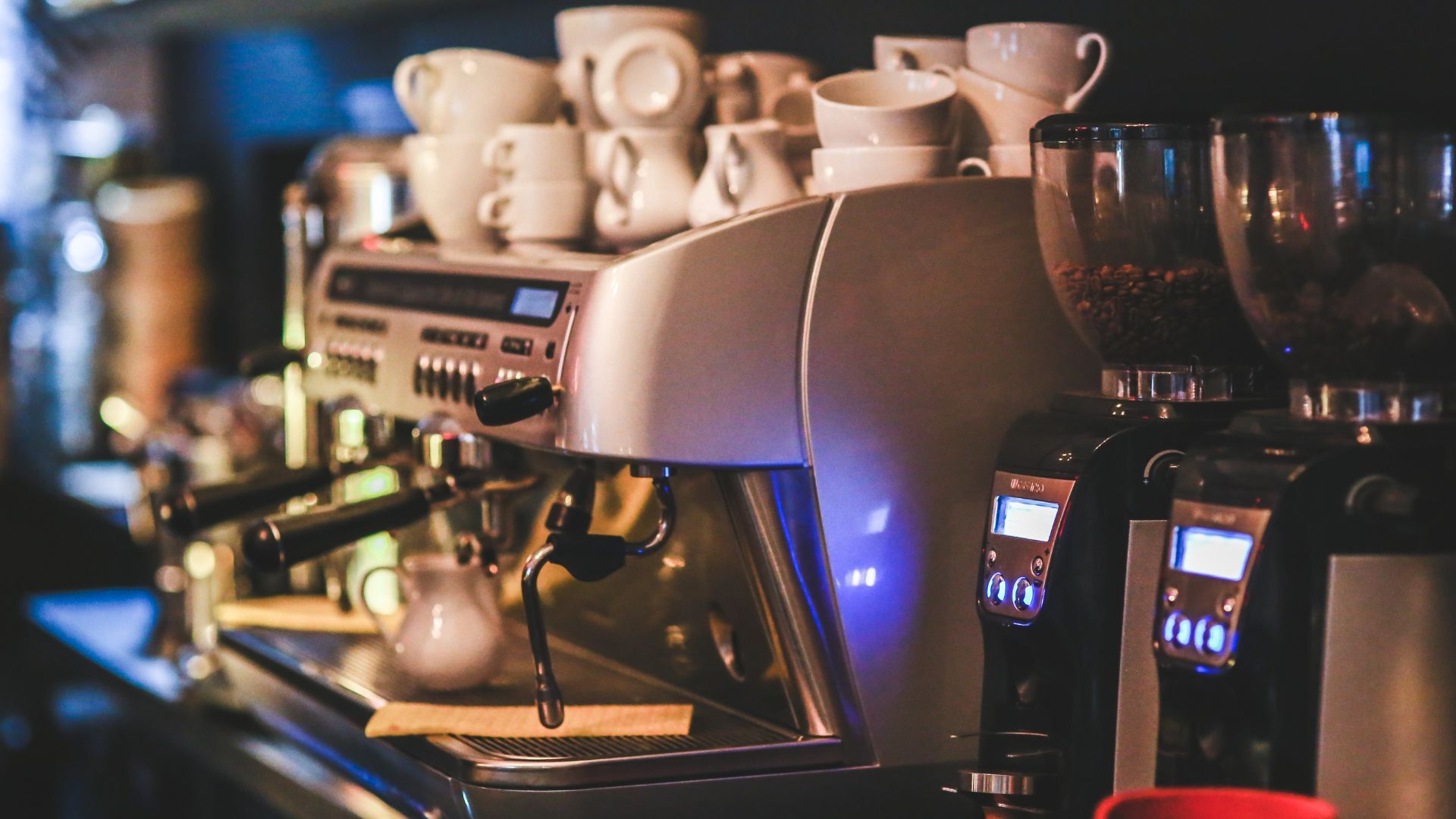
High-end coffee machines, ovens, hot food bars, refrigeration, and beverage dispensers are revenue-generating assets. When they are down, margin walks out the door.
At the same time, operating costs are rising. NACS State of the Industry data shows direct store operating expenses increased 12.7% over the last two years, with repairs and maintenance up 17.3% during that period.
Facilities leaders are being asked to protect uptime while containing spend.
This is where a Total Cost of Ownership (TCO) mindset becomes critical. Making decisions based on hourly labor rates alone often drives higher overall cost. Vixxo’s facilities assessments consistently show that optimizing first-time fix rates, reducing repeat calls, and eliminating unnecessary dispatches lowers overall cost per asset, even if labor rates appear higher.
The question is not “What is the rate?”
The question is “What is the total lifecycle cost of this asset across 1,000 stores?”
Restrooms Are a Brand Statement
26% of frequent customers prioritize restroom cleanliness. In the South, that number climbs even higher.
Restrooms are not a janitorial line item. They are a brand signal.
Frequent plumbing recalls, recurring drain backups, or inconsistent cleaning standards create compounding cost and reputational risk. In multi-site portfolios, we often see 10% of locations driving 25% or more of reactive spend due to repeat failures and unresolved root causes.
Addressing root cause versus symptom is not just good maintenance practice. It is a customer retention strategy.
Regional Strategy Matters
The regional variance in NACS data is especially important for distributed portfolios.
Southern consumers over-index on restrooms and hospitality. That means:
• Higher inspection cadence
• Stronger preventive maintenance on plumbing
• Tight janitorial quality assurance
• Faster response time for P1 and P2 events
A national maintenance program that ignores regional customer expectations will misallocate resources.
Facilities strategy must align with customer behavior, not just internal budget targets.
Technology Alone Will Not Solve It
Many organizations have invested in Computerized Maintenance Management Systems (CMMS) to increase visibility. Visibility is valuable. But data without action does not change outcomes.
Without structured invoice audit, provider accountability, repeat call tracking, and performance governance, costs continue to rise. Across retail and convenience portfolios, overspend of 10% to 15% is common due to limited oversight, duplicate work orders, and inconsistent service quality.
The most effective programs combine:
• Real-time cost controls
• Service provider performance management
• Data-driven preventive maintenance
• Root cause analysis at outlier locations
• Transparent reporting on uptime and spend
Technology is an enabler. Execution is the differentiator.
The Path to the Pump Is an Asset Network
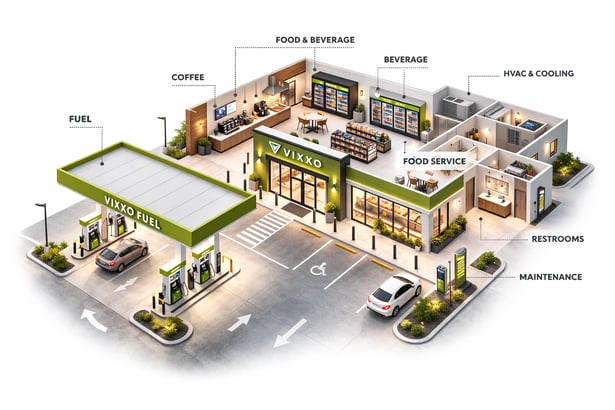
From the moment a customer turns into the lot to the moment they exit, they interact with dozens of physical assets:
• Fuel dispensers
• Card readers
• Canopies and lighting
• HVAC systems
• Refrigeration
• Coffee and beverage equipment
• Restrooms
• Digital signage
Each one is a potential loyalty builder or loyalty breaker.
Facilities strategy is customer strategy
Frequent customers are telling us what matters. Fuel quality. Food and beverage quality. Clean restrooms. Professional environments.
Facilities leaders sit at the center of that experience.
In a margin-compressed environment where foodservice and packaged beverages account for a growing share of in-store profit dollars, uptime is not just operational efficiency. It is revenue protection.
The path to the pump is no longer just a real estate footprint. It is a performance network that must be actively managed, measured, and optimized.
Frequently Asked Questions
How does NACS customer data impact facilities budgeting?
NACS data highlights which elements of the store experience frequent customers value most. Facilities budgets should prioritize uptime and quality in fuel systems, food and beverage equipment, and restrooms to align with these expectations.
Why is Total Cost of Ownership important in convenience store maintenance?
Total Cost of Ownership evaluates lifecycle asset performance rather than focusing only on hourly labor rates. Reducing repeat calls, improving first-time fix rates, and optimizing preventive maintenance lowers overall spend and improves uptime across distributed portfolios.
What role does preventive maintenance play in customer loyalty?
Preventive maintenance stabilizes asset performance, reduces emergency repairs, and lowers energy costs. Consistent uptime in foodservice, refrigeration, HVAC, and fuel systems directly impacts customer experience and repeat visits.
Want to talk facilities?
Leave a comment or question below and we'll reach out!