

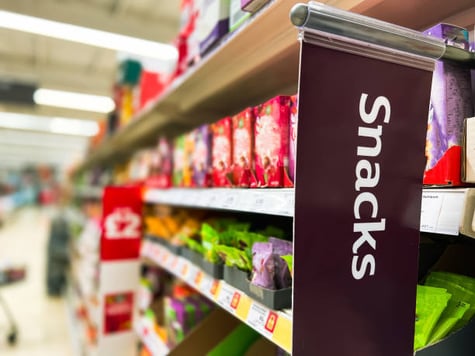
Across convenience store and grocery portfolios, signage is not decoration. It is a revenue driver, a compliance requirement, and a brand signal customers instantly judge. Yet many multi-site operators still manage signage repairs as hundreds of disconnected local events. That approach drives downtime, emergency spend, and brand inconsistency.
High-performing organizations manage signage like a system. The formula is simple but disciplined: standardize specifications, centralize vendor control, enable remote visibility, train store teams, and measure performance relentlessly. This playbook outlines how leading convenience and grocery brands build repeatable signage repair programs that scale.

Build a Standardized Signage Framework That Scales
Standardization is the foundation of consistency. A signage framework defines the non-negotiables across all locations, including design, materials, illumination, placement, and content rules.
For convenience stores and grocery operators, this matters even more due to frequent promotions, seasonal resets, and extended operating hours. Without clear standards, repairs turn into redesigns and costs escalate.
Core elements to standardize include visual identity, physical specifications, content templates, file handling, and approval workflows. Many multi-site operators also use structured content zoning to balance brand control with local flexibility. A common model is a 70-20-10 approach: 70% national brand content, 20% regional messaging, and 10% store-level promotions.
The more decisions you lock upfront, the faster repairs and replacements happen without rework or brand drift.
Centralize Vendor Management and Installation Control
By consolidating signage repair and installation under a managed program, organizations reduce color mismatches, incorrect materials, inconsistent illumination, and permitting delays. This is especially critical for grocery portfolios, where exterior signage, fuel canopies, parking lot lighting, and wayfinding directly impact foot traffic and safety.
Best-in-class programs rely on approved vendor lists or single-source providers, centralized approval workflows for drawings and proofs, and clearly defined service level agreements. These agreements should specify response times, first-time fix expectations, photo verification, and closeout documentation so every repair meets the same standard.
Vixxo applies this centralized model across signage and lighting programs, pairing national scale with controlled quality to protect brand consistency while managing total cost of ownership.
Use Remote Monitoring to Reduce Downtime and Truck Rolls
Remote visibility is one of the fastest ways to improve signage uptime. For digital signage, remote monitoring platforms track device health, content playback, and connectivity in real time. Many issues can be resolved remotely through resets, firmware updates, or content corrections, eliminating unnecessary dispatches.
For physical signage, durability and inspection cadence matter. Exterior signs exposed to weather and traffic should follow a quarterly inspection cycle, while interior signage often requires annual audits. Preventive identification of failures reduces emergency calls and safety risks.
Effective programs combine device monitoring, photo-verified inspections, spare-parts strategies, and documented escalation playbooks to move from reactive to proactive maintenance.
Train Store Teams Without Overburdening Them
Rather than asking managers to diagnose problems, leading operators provide simple playbooks. These include basic handling and cleaning guidance, quick troubleshooting steps, photo requirements for service requests, and clear escalation paths into a centralized work order system.
Short videos, laminated guides, and refresher training help maintain consistency across turnover-heavy retail environments. When store teams know what to report and what not to touch, repair quality improves and dispatches become more efficient.
Measure What Matters and Improve Continuously
High-performing signage programs track a consistent set of key performance indicators. These typically include network uptime, mean time to repair, first-time fix rate, repeat dispatch rate, audit pass rates, and SLA compliance. Grocery operators often add safety and compliance metrics tied to exterior lighting and wayfinding.
When integrated with point-of-sale data, digital signage performance can also be linked to sales lift, enabling smarter content decisions and better ROI tracking.
Continuous improvement comes from reviewing exceptions weekly, addressing underperforming locations, and conducting quarterly program reviews to scale what works.
A Repeatable Rollout Model for Multi-Site Signage Repair
Successful programs follow a disciplined rollout. Start by defining standards and inventorying assets to establish a single source of truth. Pilot repairs in a limited region to validate workflows and quality controls. Then scale by region with centralized scheduling, store communications, and quality assurance checkpoints.
Once live, shift focus to audits, preventive maintenance, and performance dashboards that allow facilities leaders to manage signage as an operational system rather than a series of urgent calls.
Why This Matters More Than Ever
Retail and grocery facilities costs continue to rise, and signage failures directly impact customer perception, safety, and sales. By treating signage repair as a centralized, data-driven program, convenience store and grocery operators can reduce downtime, control costs, and protect the brand experience customers expect.
Download the full Multi-Site Signage Repair Playbook to see how convenience store and grocery leaders systemize signage performance at scale.
Frequently Asked Questions
What is the biggest mistake multi-site operators make with signage repairs?
Managing signage repairs locally without standardized specifications or centralized oversight leads to inconsistent quality, higher costs, and longer downtime.
How does signage strategy differ between convenience stores and grocery?
Convenience stores prioritize speed, exterior visibility, and promotional flexibility, while grocery focuses more on wayfinding, safety, and department navigation. Both benefit from centralized standards and execution.
How can I reduce emergency signage repairs?
Preventive inspections, remote monitoring, standardized materials, and clear escalation paths significantly reduce emergency dispatches and premium labor costs.
What KPIs should facilities leaders track for signage programs?
Uptime, mean time to repair, first-time fix rate, repeat calls, audit pass rates, and SLA compliance are foundational metrics across both convenience and grocery portfolios.
How does partnering with a facilities management provider help?
A managed partner brings scale, standardized execution, vetted technicians, and real-time visibility, allowing facilities teams to focus on strategy instead of daily fire drills.
Want to talk facilities?
Leave a comment or question below and we'll reach out!