
Key Takeaways
- Beverage equipment downtime directly impacts revenue, customer loyalty, and brand perception
- Preventative maintenance reduces repair volume by up to 60% and protects uptime during peak demand
- Specialty beverage programs require coordinated facilities support across multiple trades
- High-performing organizations treat uptime as a core KPI tied to revenue, not just maintenance
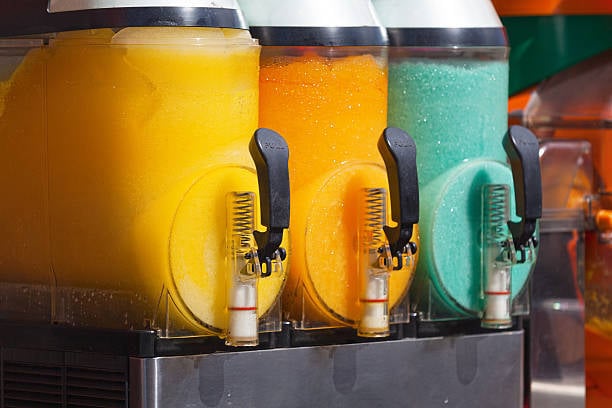
As temperatures climb, customer behavior inside convenience stores shifts almost immediately. Hot coffee demand softens, while iced coffee, cold brew, frozen dispensed beverages, and specialty drinks surge. For many operators, this seasonal transition is not just a menu shift. It is a revenue inflection point.
Beverages are already one of the highest-margin categories in convenience retail, often delivering 40%+ margins and appearing in nearly half of all in-store transactions. When executed well, they drive both traffic and basket size. When they fail, they push customers directly to competitors.
The operational reality is simple. If your beverage equipment is down, your revenue is down.
The Hidden Cost of Beverage Downtime
Facilities leaders often think about equipment failure in terms of repair costs. But for beverage programs, the larger impact is lost revenue and lost loyalty.
Today’s consumers have elevated expectations. As Vixxo research highlights, shoppers are more selective and experience-driven than ever, with premium beverage offerings like high-end coffee machines becoming a core part of store differentiation .
When those machines are not working, the consequences compound quickly:
- Immediate lost sales from high-margin beverages
- Reduced basket size as beverage-driven purchases disappear
- Erosion of brand perception and store quality
- Long-term customer defection
Customer tolerance is extremely limited in this category. After one negative experience, customers may give a store another chance. After a second failed visit, many will choose a competing location moving forward.
That means beverage equipment uptime is not just about daily sales. It is directly tied to customer retention and lifetime value.
Specialty Beverages Are No Longer Optional
The evolution of convenience stores into foodservice destinations has fundamentally changed the role of beverage equipment.
Foodservice and dispensed beverages now account for a significant portion of in-store profit, with combined categories driving over 60% of profit dollars in many stores. At the same time, investments in bean-to-cup machines, cold brew systems, and specialty beverage platforms are increasing because customers are willing to pay more for quality.
But these systems are more complex than traditional coffee pots or fountain dispensers. They require:
- Consistent calibration and cleaning
- Reliable refrigeration and water systems
- Integrated electrical and mechanical performance
- Frequent preventative maintenance (PM)
Without the right facilities strategy, complexity leads to downtime.
Reactive Maintenance Fails Beverage Programs
Many organizations still manage beverage equipment reactively. A machine breaks, a ticket is created, and a technician is dispatched.
The problem is timing.
Unplanned maintenance can cost 3 to 9 times more than planned maintenance, and more importantly, it introduces extended downtime that directly impacts sales.
For beverage programs, even a single day of downtime during peak summer demand can erase weeks of margin gains.
Reactive models also create operational inconsistency across multi-site portfolios. One store gets fixed quickly. Another waits days. The result is uneven customer experience and fragmented brand perception.
Preventative Maintenance Drives Uptime and Profit
A structured preventative maintenance (PM) program is the most effective way to protect beverage revenue.
High-performing facilities programs focus on:
- Scheduled maintenance aligned to seasonal demand peaks
- Calibration and cleaning to maintain product quality
- Early detection of component wear and failure risk
- Reduction in emergency service calls
The impact is measurable. Preventative maintenance programs can reduce repair volume by up to 60% in the first year and sustain 35% to 40% lower repair rates over time.
For beverage equipment, that translates directly into higher uptime, more consistent product quality, and stronger customer retention.
Uptime Is a Facilities KPI That Drives Revenue
Facilities leaders are increasingly being asked to do more than control costs. They are expected to enable revenue.
Beverage equipment uptime is one of the clearest examples of this shift.
Leading organizations are now tracking:
- Asset uptime percentages across beverage equipment
- First-time fix rates for beverage-related service calls
- Time to repair for revenue-generating assets
- Repeat call frequency by machine type
With the right partner and program structure, uptime levels can exceed 99% across large portfolios, ensuring that revenue-critical assets are consistently available to customers .
The Role of a Facilities Partner in Beverage Performance
Maintaining beverage equipment at scale requires more than dispatching technicians. It requires coordination across trades, data visibility, and proactive program management.
This is where a facilities management partner like Vixxo creates measurable impact.
With coverage across 75+ trades, including electrical, plumbing, HVAC/R, and specialized food and beverage equipment, Vixxo ensures that every component supporting beverage systems is operating correctly.
More importantly, Vixxo combines:
- Preventative maintenance programs tailored to asset type
- Real-time data and insights through connected platforms
- A network of 150,000+ technicians for rapid response
- Active performance management to reduce repeat issues
This integrated approach minimizes downtime, stabilizes costs, and protects revenue across every location.
From Maintenance to Competitive Advantage
As iced coffee and specialty beverages drive increased traffic in warmer months, the stores that win are not just those with the best offerings. They are the ones that execute consistently.
Customers notice when machines are clean, functional, and fast. They also notice when they are not.
In a category where loyalty can shift after just two poor experiences, facilities execution becomes a frontline driver of customer retention.
The takeaway is clear. Beverage uptime is not just an operational metric. It is a competitive advantage.
FAQs
Why is beverage equipment uptime so critical in summer months?
Warmer weather drives higher demand for iced and specialty beverages, which are high-margin items. Any downtime during this period results in immediate lost revenue and potential long-term customer loss.
How quickly do customers switch stores due to equipment issues?
Customer behavior shows that after one or two negative experiences, such as broken beverage machines, many will choose a competitor for future visits.
What is the biggest benefit of preventative maintenance for beverage equipment?
Preventative maintenance reduces emergency repairs, improves equipment reliability, and ensures consistent product quality, all of which drive higher uptime and customer satisfaction.
How can facilities leaders improve beverage equipment performance at scale?
By implementing a structured preventative maintenance program, tracking uptime metrics, and partnering with a facilities provider that offers multi-trade support and real-time data visibility.
Want to talk facilities?
Leave a comment or question below and we'll reach out!