
C-Store Facilities Management
The industry's shrinking, but the pressure on the operators left standing is growing. That pressure runs straight through the equipment behind the counter.
There are 151,975 convenience stores operating in the U.S. today, 280 fewer than a year ago. A 0.2% dip doesn't sound dramatic on its own. What's more telling is who's absorbing that pressure: 63% of all U.S. c-stores are still owned by operators running 10 locations or fewer, while chains with 500-plus stores now control 22.2% of the market. Scale is consolidating upward, and the operators without it are the ones deciding whether to sell.
The Squeeze, in Three Numbers
Fewer Stores Means Less Room for a Bad One
A national chain with thousands of locations can absorb an underperforming site without much notice. A regional operator running 15 or 30 stores can't. As the smallest players sell and the largest players grow through acquisition, the operators remaining in the middle are running leaner portfolios with less tolerance for any single location dragging down the average — and foodservice, the category most of them are betting on to compete, is also the category most dependent on equipment that can fail.
The Vixxo Lens: Diagnose the Asset, Not Just the Ticket
Most facilities programs are still built to respond to a single ticket in isolation: a machine breaks, a technician gets dispatched, the ticket closes. In a consolidating market, that's not enough. When an ice dispenser goes down twice in two months at the same site, the right response isn't "send the same beverage technician again" — it's asking what upstream asset, like plumbing, might actually be behind it. That's the difference between one correctly diagnosed service call and three repeat visits while the equipment driving your highest-traffic revenue category stays down. For operators with fewer, higher-performing locations, protecting that uptime isn't a maintenance function anymore. It's a margin function.
FAQ
How much has the U.S. convenience store count changed?
The U.S. c-store count fell to 151,975 locations in 2026, a decline of 280 stores, or 0.2%, from the year before, according to NACS.
Who is most exposed to consolidation pressure?
Small operators make up the bulk of the industry — 63% of U.S. c-stores are owned by companies with 10 or fewer locations — putting them squarely between rising operating costs and larger chains expanding through acquisition.
Why does foodservice growth raise the stakes for facilities management?
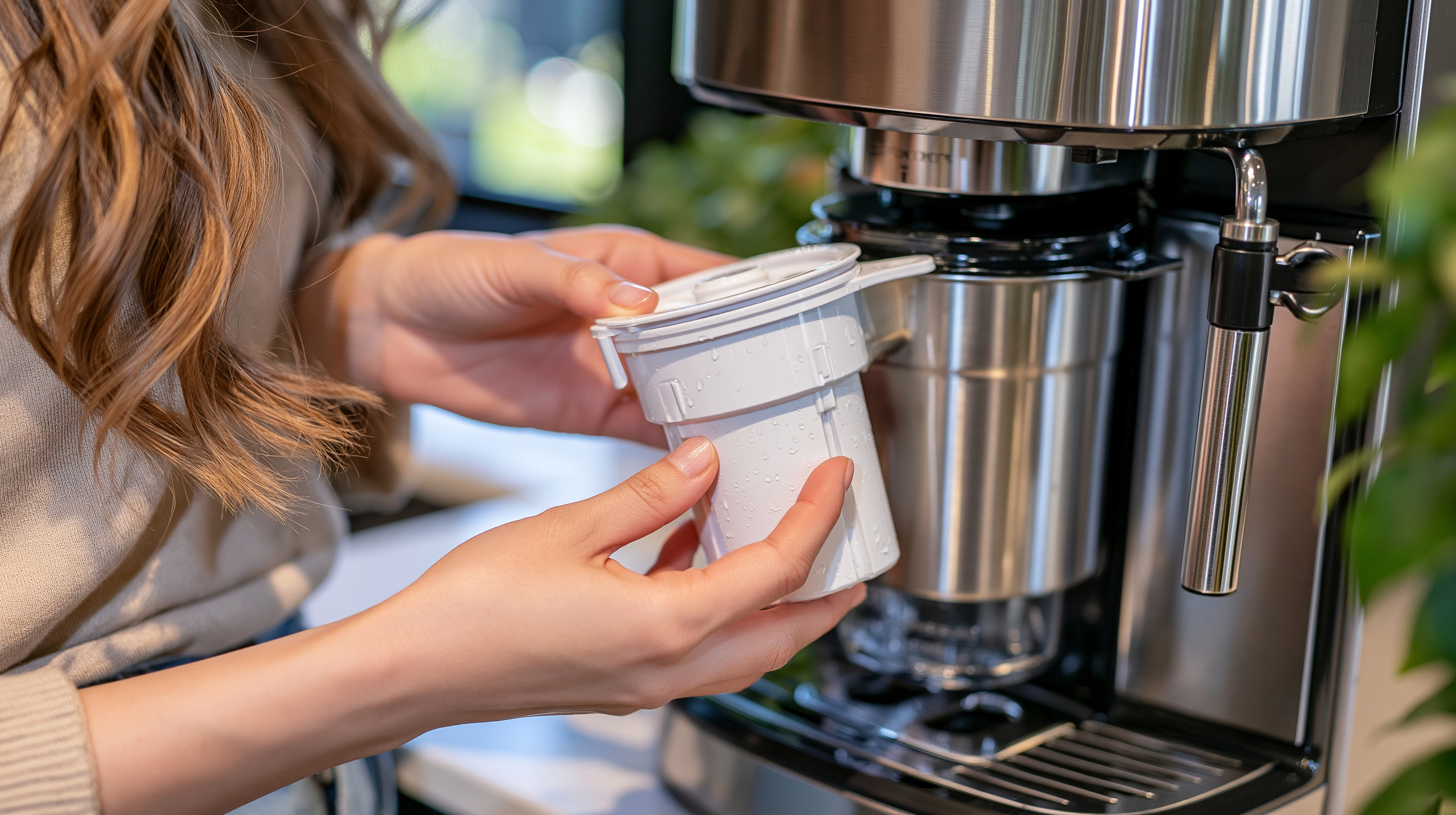
As beverage and food programs become the primary reason customers visit, the equipment producing them — coffee machines, ice dispensers, roller grills, walk-ins — becomes revenue infrastructure rather than a background convenience.
How can facilities management reduce the impact of consolidation pressure?
By using service history and asset data to diagnose root causes before dispatch, rather than treating each service ticket in isolation, operators can prevent repeat visits and protect the uptime of the equipment now driving most of their revenue.
Sources: NACS/NIQ TDLinx, 2026 U.S. Convenience Store Count; Datassential, 2026 C-Store Keynote; Dash In, Convenience Retail Trends to Watch in 2026.