

Facilities Management News


Holiday Facilities Readiness: A Retail & Convenience Store Checklist

By Vixxo Management | Nov 20, 2026, 6:30:02 AM | 12 minute read


From Black Friday (November 27, 2026) through December 24, retail and convenience stores run at their highest traffic of the year, and every facilities weakness gets tested at once. Doors, lighting, signage, HVAC, restrooms and emergency response all influence whether shoppers stop, buy and return.

Vixxo's public messaging highlights the role of clean restrooms, strong lighting, reliable HVAC and equipment uptime in the customer experience. This checklist covers six areas to inspect now, what can wait until January, and how to prepare after-hours emergency dispatch before the rush starts. It extends our Thanksgiving week guide for grocery to retail and convenience store portfolios.

Holiday readiness at a glance

Prioritize safety, customer access and equipment uptime before the peak. Confirm who can authorize urgent repairs, how stores report emergencies, and which providers are available after hours, including on holidays.

Why does the holiday peak expose facilities problems?

Most holiday failures are not new. Heavy traffic removes the slack that hides marginal equipment. A door that sticks on a quiet Tuesday becomes a safety issue with a line of shoppers. A rooftop unit that coasts through fall can struggle with a full store and extended hours. And when every operator is calling technicians at the same time, response times can stretch for anyone without a plan.

For multi-site retail and c-store brands, the stakes compound across locations. One failure at one store is a repair ticket. The same failure at 50 stores in one week can become a revenue event. The holiday window is where the need to control maintenance spend and protect uptime collide.

The six-area holiday readiness checklist

Work through these areas before traffic builds. Most checks can be completed in days, not weeks.

1. Doors, locks and entry hardware

Entrances are the first thing a customer touches—and the first thing that can stop a sale.

  • Test every automatic door, sensor and safety stop. Fix anything that sticks, drags or reverses late.
  • Check door closers, hinges, thresholds and weatherstripping; cold air and wet floors can increase wear.
  • Verify locks, panic hardware and after-hours locking so stores can close safely on extended hours.
  • Confirm exit and egress paths are clear of holiday displays and stock.
  • Inspect mats and entry flooring for trip hazards.

2. Interior and exterior lighting

Lighting affects safety, sales and how shoppers feel about the store. Darkness arrives early in December, making exterior lighting especially important.

  • Walk every store at dusk and replace burned-out lamps in sales areas, parking lots, canopies and walkways.
  • Check emergency and exit lighting, and test battery backups.
  • Inspect photocells and timers so lights follow the right schedule, including extended holiday hours.
  • Review electrical capacity before adding temporary loads such as holiday displays, decorative lighting and tasting stations.
  • For planned upgrades, ask about LED conversion for lower energy use and longer lamp life. Vixxo supports lighting management across signage, exterior and interior lighting, including LED transition support.

3. Signage

Signs help drivers find the store and shoppers see promotions.

  • Check illuminated signs for dark letters, flickering, failed ballasts or drivers, and damaged faces.
  • Inspect pole signs, monument signs, canopy fascia and price signs, especially at fuel sites where price signs are time-sensitive.
  • Confirm promotional and seasonal signage is installed safely and does not overload circuits or block egress.
  • Check for water intrusion in sign cabinets before wet weather arrives.
  • Schedule non-urgent sign projects for January. Prioritize repairs at high-traffic and highway-visible sites now.

4. HVAC load

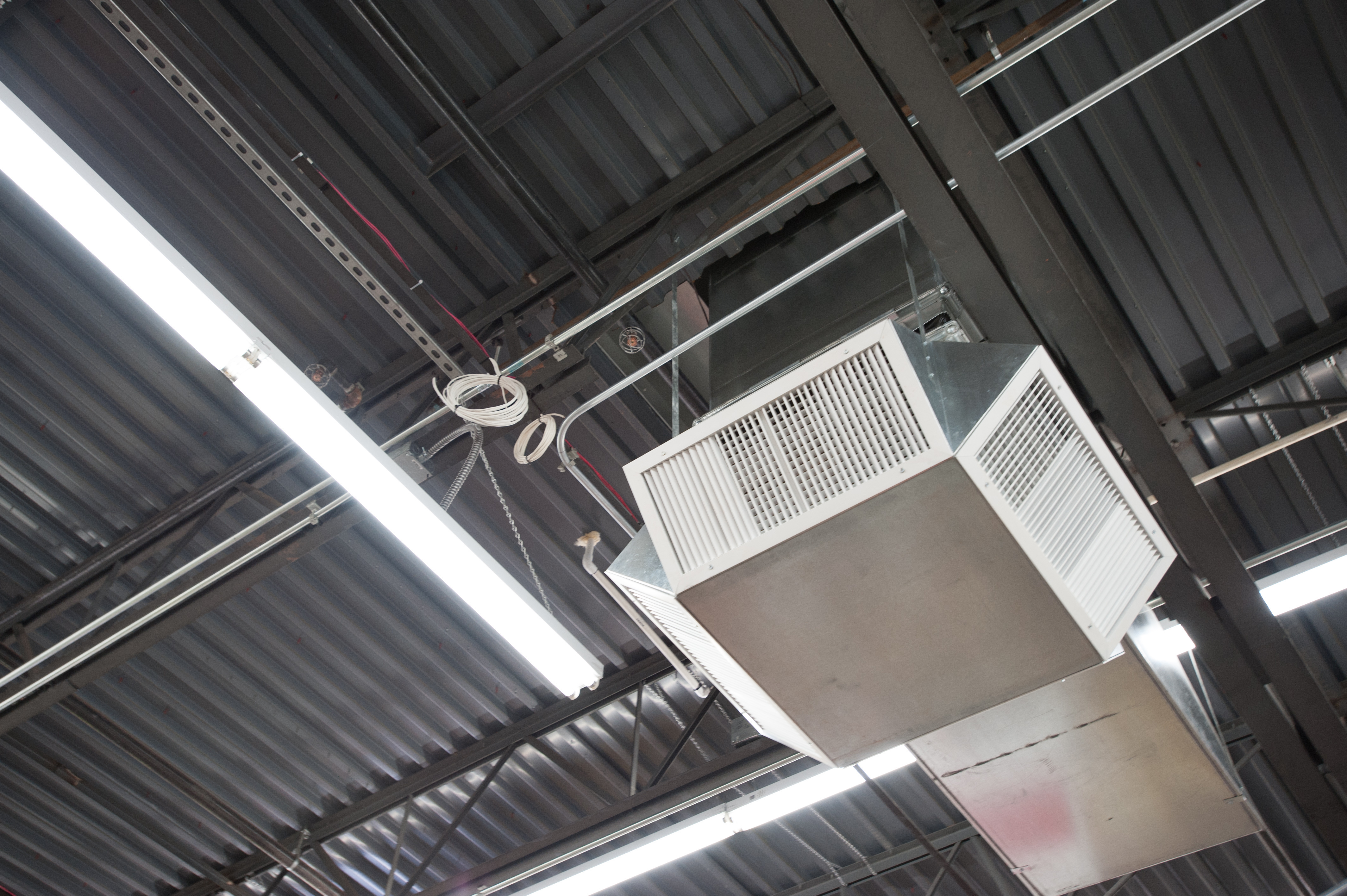
Holiday crowds raise cooling and ventilation demand, while cold weather raises heating demand. Both conditions stress equipment.

  • Verify rooftop units are serviced and filters are changed.
  • Confirm thermostats and schedules match extended holiday hours, and avoid unauthorized manual overrides.
  • Check economizers, sensors and belts on units that run the longest hours.
  • Look for short cycling or unusual noise that could signal a unit close to failure.
  • Review repair history for older units and flag repeat failures for attention before the peak.

Why it matters: Comfortable stores help shoppers keep browsing. An HVAC failure during a Saturday rush can empty a store of customers in an hour.

5. Restroom plumbing

Restrooms shape customer perception, especially at c-stores and fuel sites where travelers may stop primarily to use them.

  • Inspect toilets, urinals, sinks and faucets for leaks, slow drains and running water.
  • Check floor drains, grease traps and drains near food-prep areas for early blockages.
  • Test water heaters and hand dryers, and confirm soap and paper dispensers function.
  • Make sure store teams know shutoff valve locations so a leak can be stopped quickly.
  • Plan extra cleaning cycles and a clear process for reporting a restroom out of service.

6. After-hours emergency dispatch

Holiday emergencies do not wait for business hours. A plan that works only from 9 to 5 will fail on a Sunday night in December.

  • Make sure every store knows how to open an emergency work order and who answers at any hour.
  • Define what counts as an emergency and what can wait until the next business day.
  • Confirm named technician pathways for critical trades: refrigeration, HVAC, electrical, plumbing, doors and lighting.
  • Confirm provider coverage on holidays, including the days around Christmas Eve.
  • Review response-time targets with your provider and confirm escalation steps if a call is missed.

Vixxo offers 24/7 service-provider response for critical equipment and facility infrastructure through a network of more than 150,000 technicians across HVAC, plumbing, electrical, food and beverage equipment, signs and lighting.

Convenience store specifics

Convenience and fuel sites have a few additional holiday exposures:

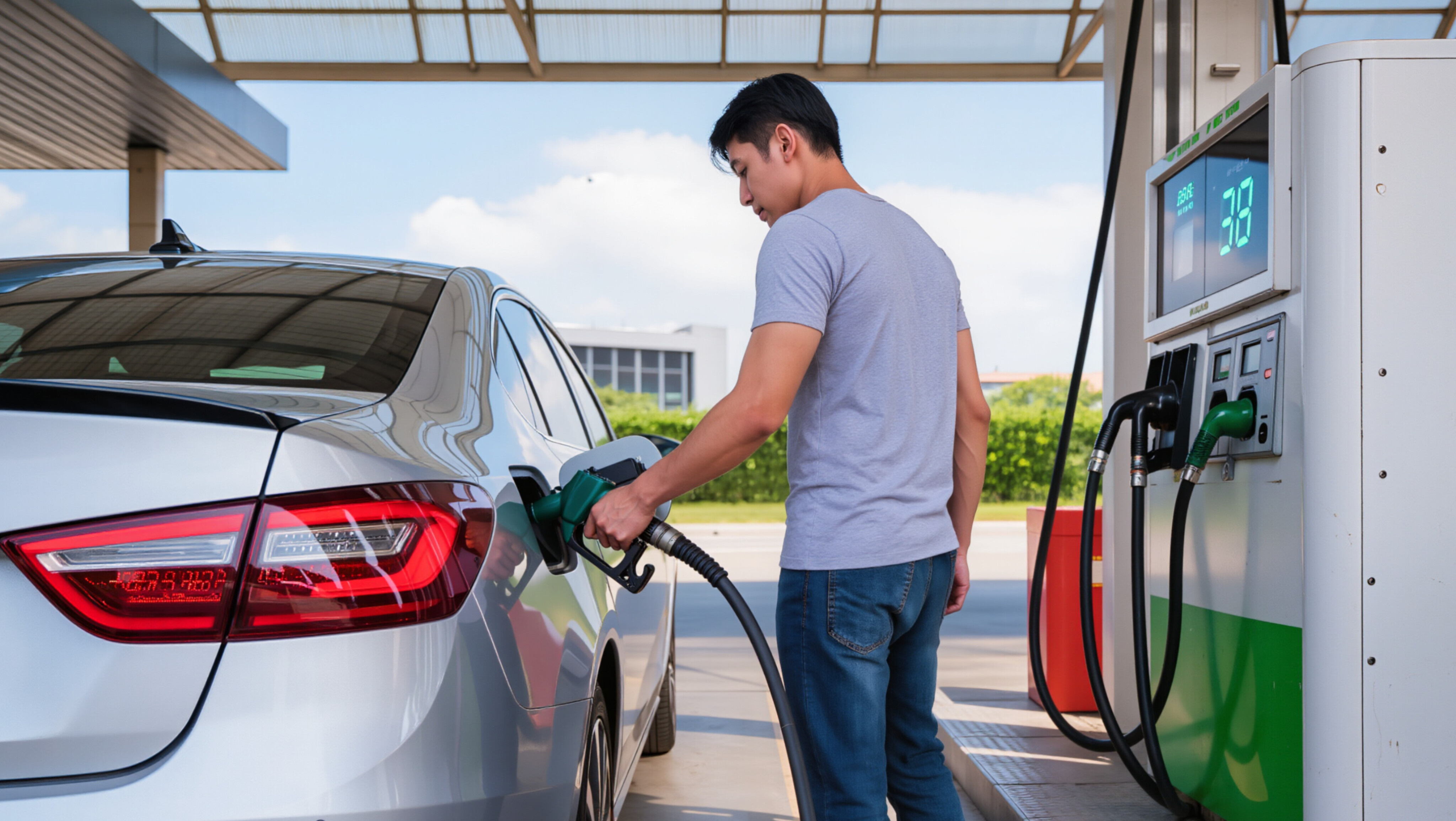
  • Forecourt and fuel equipment: Check dispensers, canopy lighting and price signs, and confirm compliance equipment is functioning.
  • Foodservice and beverage equipment: Holiday travel raises demand for coffee, hot food and fountain drinks. Confirm equipment is serviced, and see our winter coffee equipment guidance for freeze and electrical-capacity checks.
  • Refrigeration: Cold beverage and grab-and-go coolers run harder at peak. Check gaskets, coils and alarms.
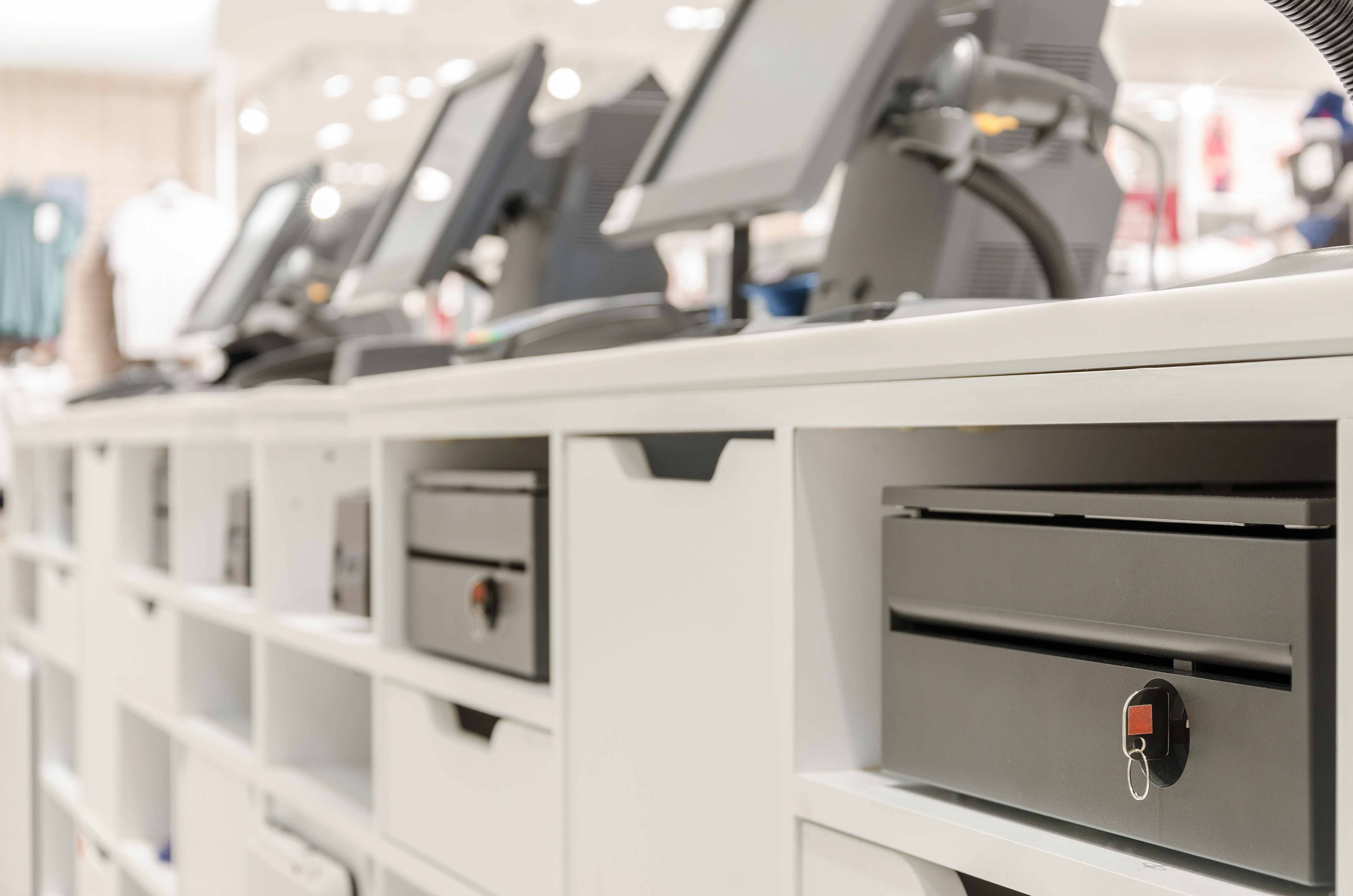
  • Security and POS: Confirm cameras, lighting and point-of-sale systems are working on extended hours.

Vixxo's gas-station facilities management model provides centralized vendor management and real-time visibility to help prioritize repairs across systems including forecourt equipment, HVAC, refrigeration, lighting, POS and security.

Retail specifics

Retail stores have a different mix of holiday risk:

  • Entrance and queue flow: Check door sensors, mats and lighting at entrances during doorbusters.
  • Display and fixture loads: Check temporary displays on circuits and ensure fixtures do not block exits or sprinkler heads.
  • Fitting rooms and restrooms: Check lighting, locks and plumbing in high-use areas.
  • Loading docks and back-of-house: Inspect dock doors and levelers ahead of peak freight deliveries.
  • HVAC zones: Check comfort on packed sales floors and in stockrooms.

What should wait until January?

Not everything needs to happen now. A clear deferral rule keeps holiday work focused on safety and revenue.

Do before the peak Defer to January
Safety hazards: doors, egress, lighting and slip risks Cosmetic repairs
Failed or failing HVAC, plumbing and electrical Planned remodels and refreshes
Dark or damaged signs at high-traffic sites Non-urgent sign upgrades and LED conversions
Restroom plumbing and fixture failures Non-critical fixture replacement
Emergency dispatch plan and provider confirmation Process redesign and vendor consolidation

Decide in advance who has authority to approve emergency spend above a set limit during the peak. Repairs can be delayed while teams wait for sign-off; overly restrictive not-to-exceed limits can also contribute to repeat visits and higher total costs.

A simple holiday readiness timeline

When Action
Before Black Friday Walk stores for doors, lighting and signs; service HVAC; confirm emergency dispatch and provider holiday coverage.
Black Friday weekend Watch work orders for early failures; fix safety items the same day.
Early to mid-December Review repeat repairs and open emergency calls; address emerging trends.
December 20–24 Confirm after-hours coverage and escalation contacts; check restrooms and entrances daily.
Early January Review results, then schedule deferred work and upgrades.

How to measure holiday facilities performance

Track a focused set of measures across all locations during the peak:

  • Open emergency work orders and time to dispatch.
  • Response time against SLA for critical calls.
  • Repeat work orders on the same asset within 30 days.
  • Sites with a restroom, door, sign or HVAC outage.
  • Emergency spend versus planned spend.

Look for patterns across the portfolio. With portfolio-wide visibility, teams can see where problems are clustering and redirect resources while the peak is still underway.

Frequently asked questions

What facilities should retail stores check before Black Friday?

Check doors and entry hardware, interior and exterior lighting, signage, HVAC, restroom plumbing and emergency dispatch. Prioritize safety hazards and anything that prevents customers from entering, finding the store or staying comfortable.

How do convenience stores prepare for the holiday rush?

In addition to the core checklist, c-stores should check forecourt and fuel equipment, canopy lighting and price signs, foodservice and beverage equipment, cold-case refrigeration, and security and POS systems.

Why do restrooms matter during the holidays?

Vixxo's public messaging says clean restrooms, strong lighting, reliable HVAC and equipment uptime directly affect customer conversion. Travelers and shoppers often use restroom condition as a signal for the whole store, so plumbing failures can carry a greater cost during peak traffic.

What is an after-hours emergency dispatch plan?

It is a defined process for how any store reports an urgent facilities issue at any hour, what counts as an emergency, who responds and how quickly. It includes provider holiday coverage and escalation steps.

What facilities work can wait until after the holidays?

Cosmetic repairs, planned remodels, non-urgent sign upgrades, LED conversions and process redesign can generally wait until January, as long as safety- and revenue-critical items are fixed first.

When does the holiday peak start and end for facilities planning?

Plan for the window from Black Friday (November 27, 2026) through December 24, with heightened risk on weekends and in the days before Christmas.

Related reading: Thanksgiving Week Is the Stress Test for Grocery Facilities (Vixxo). Vixxo figures and capabilities are as published by Vixxo.


Topics: Retail Stores Convenience Stores Facilities Management

What Does a Winter Storm Cost a Multi-Location Business? Readiness Plan for 2026-27

By Vixxo Management | Nov 19, 2026, 10:00:00 AM | 10 minute read


Topics: HVAC Refrigeration Plumbing Facilities Management locks & hardware Total Cost of Ownership

AI in Facilities Management: What Is Proven, What Is Hype, and Where to Start

By Vixxo Management | Nov 18, 2026, 11:00:00 AM | 10 minute read


The short answer

AI in facilities management pays off where it works on clean, portfolio-wide work order data: flagging at-risk equipment, catching repeat repairs, guiding dispatch, and auditing invoices before they are paid. It does not pay off as a standalone gadget layered on top of fragmented vendor data.

This guide separates what is working in facilities today from what is still marketing.

Why the data comes first

The blocker to AI in the store is rarely the model. It is the data. Work orders, asset histories, and invoices are spread across dozens of regional vendors, each with its own system and format. Equipment telemetry often sits inside proprietary controls. AI cannot find a pattern across 1,000 sites if the records do not line up.

The first test for any facilities AI claim: what data does it run on, and who owns it?

What is real

1. Predictive maintenance built on asset and cost history

Predictive maintenance is real when it starts with the unglamorous basics: a clean record of every asset, its age, its repair frequency, and what each call costs. From that foundation, a portfolio can see which equipment is trending toward failure and act before an emergency call.

VixxoLink's reporting dashboard tracks repair frequency, asset age, and cost-per-call trends to identify at-risk equipment early. Vixxo reports that predictive scheduling reduces emergency repairs by 30 to 40% within 18 months and extends asset life by 25% or more. These are Vixxo's stated results, and they depend on a program that actually acts on the alerts.

The economics explain why this matters. Unplanned maintenance typically costs 3 to 9 times more than planned work, because of overtime labor, expedited parts, travel premiums, and longer downtime.

Outlier analysis is a practical form of this. In one national apparel chain, analytics showed that 12% of HVAC units accounted for nearly half of repair spend. Targeting replacements on those units saved $1.2 million. No forecasting model was needed. The finding came from asset-level cost data viewed across the whole portfolio.

Vixxo's predictive approach also identifies outlier stores that drive disproportionate spend, and uses field-level AI tools to improve first-time fix rates and reduce truck rolls.

2. Repeat-repair detection

The most expensive repair is often the one that did not hold. Vixxo's published analysis finds that repeat work orders account for 20 to 30% of reactive maintenance volume in certain trades. In one major grocery case study, 19% of all break-fix work orders occurred within 30 days of the previous repair. A single callback on a refrigeration unit can exceed $20,000 in repair spend in one year.

This is a pattern problem, and pattern detection is what software does well. When repair history is consolidated by asset, repeat visits become visible, and teams and providers can work from the same first-time-fix goals.

Results reported after VixxoLink implementation in one retail program:

Metric Before After Change
Average invoice cost $540 $480 11% lower
Repeat work orders 18.9% 13% 31% fewer
SLA compliance 78% 92% +14 points

Cost per call and repeat-repair rates move together. When fewer repairs need a second visit, average cost per completed fix falls, and so does the volume of calls that never needed to happen.

3. Invoice auditing

Invoice auditing is the clearest case of AI delivering a measured dollar result today. The reason is simple: an invoice is structured data that can be checked against rules.

$2.6 million

in direct cost savings from Vixxo's dynamic invoice auditing for convenience and grocery clients in the 12 months ending August 31, 2026.

VixxoVerify checks geo-fenced time on site, local tax compliance, and material costs before an invoice is approved. Vixxo reports that its Dynamic Invoice Audit found 14% average excess materials cost on invoices that had no oversight.

Other checks catch duplicate tickets and inflated part charges. In one Vixxo analysis, duplicate tickets fell from 3.1% to 0.6% and labor rate accuracy rose from 84% to 97% after verification.

Few facilities teams can review every line of every invoice by hand at portfolio scale. Automated checks can act as a shared second set of eyes.

4. AI-guided dispatch

Matching the right technician to the right job, with the right parts, is a routing problem. Vixxo reports that AI-guided dispatch delivers 10 to 15% faster time to completion. This works because it draws on the same asset and provider performance data described above.

What is hype

The claim The reality
"AI will replace your facilities team." Skilled trades remain in short supply, and AI does not turn a wrench. The credible use is helping limited technician capacity go further: better dispatch, digital guidance in the field, and fewer wasted truck rolls.
"Plug in an AI tool and get predictions." Prediction needs history. A portfolio with inconsistent asset records, unstructured work order notes, and no cost validation will produce noisy output. Fix the data first.
"Savings with no process change." A dashboard that flags a failing compressor saves nothing until someone schedules the repair. Predictive programs deliver when alerts connect to preventive maintenance contracts and accountable providers.
"One number fits every portfolio." Savings depend on starting conditions. A portfolio with no invoice oversight has more to recover than one that already audits closely. Ask any vendor for results tied to a specific time period, client type, and method, as with the $2.6 million figure above.
"AI visibility without data ownership." Retailers are right to ask who owns their equipment and cost data. Without it, they depend on their service providers for visibility.

A practical checklist for 2027 planning

☐ Audit your data. Can you see every asset, its age, and its full repair history in one place?
☐ Measure your repeat-repair rate. Count work orders on the same asset within 30 days of a prior repair.
☐ Check your invoice controls. What share of invoices is validated against labor rates, time on site, taxes, and materials before payment?
☐ Find your outliers. Which stores and which assets drive a disproportionate share of spend?
☐ Tie alerts to action. Decide in advance who acts on an at-risk equipment alert and within what window.
☐ Ask vendors for evidence. Request time-bound, client-specific results and an explanation of the data behind them.

Frequently asked questions

Is AI in facilities management proven or experimental?

Parts are proven. Invoice auditing, repeat-repair detection, and asset-level cost analysis have measured results. Broader autonomous maintenance is earlier stage and depends on equipment telemetry and data access.

What is predictive maintenance in facilities?

Predictive maintenance uses asset age, repair frequency, cost-per-call trends, and equipment signals to identify equipment likely to fail, so repairs can be scheduled before an emergency call.

How much can AI invoice auditing save?

Results depend on how much oversight exists today. Vixxo's dynamic invoice auditing delivered $2.6 million in direct cost savings for convenience and grocery clients in the 12 months ending August 31, 2026, and found 14% average excess materials cost on invoices without oversight.

Where should a multi-site operator start?

Start with consolidated work order and asset data, then add invoice validation and repeat-repair tracking. These produce measurable results and build the data foundation for predictive programs.

The takeaway for 2027

AI in facilities is real where it turns portfolio data into decisions: which assets to service, which repairs are repeating, which invoices to question, and which technician to send. It is hype where it promises results without clean data or accountable follow-through. Operators that fix their data and controls now will be ahead of the field.

Vixxo results as published by Vixxo; figures are Vixxo-reported.

Topics: Facilities Management Artificial Intelligence

HVAC Vendor Scorecard: 5 KPIs to Track Across Regions

By Vixxo Management | Nov 17, 2026, 7:00:02 AM | 12 minute read


Topics: HVAC Facilities Management

How to Plan a Retail Rollout Across 50+ Locations

By Vixxo Management | Nov 16, 2026, 8:15:00 AM | 11 minute read


Topics: Facilities Management projects rollouts

What Do Reactive Lock Programs Really Cost Multi-Site Retailers?

By Vixxo Management | Nov 13, 2026, 11:59:59 AM | 7 minute read


Topics: Facilities Management locks & hardware

Why Fuel Downtime Costs Retailers More Than the Repair

By Vixxo Management | Nov 12, 2026, 9:55:20 AM | 8 minute read


Topics: Facilities Management Fuel Equipment

2026 Guide to Retail Electrical and Lighting Providers

By Vixxo Management | Nov 11, 2026, 6:00:01 AM | 23 minute read


Topics: Signs & Lighting Facilities Management

How AI Gave a Retail Facility Team Its Day Back

By Vixxo Management | Nov 10, 2026, 5:59:59 AM | 8 minute read


Inside Vixxo · AI in operations

How AI Gave a Retail Facility Team Its Day Back

Inside the automation Vixxo Facility Solutions built for a national retailer program with thousands of locations.


Key takeaways

  • A national retailer program with thousands of locations was generating survey data, site folders and quote packages by hand, one location at a time.
  • Vixxo connected the tools the team already used so that survey answers fill the tracker, build the site folder and produce the quote package automatically.
  • The team member who builds these packages said each one used to take about 45 minutes to an hour. After the automation, the repetitive assembly is done by AI before they manually open the folder.

The situation: a big new program with high expectations

When a major national retailer brought thousands of locations to Vixxo, the whole organization was excited. The program was also demanding, and the team supporting it was feeling the pressure.

The program did not yet have a system built around it. Field surveys for equipment such as air conditioners and coolers were coming back through a form tool, and all of that information had to be logged in a project tracker before a job could move forward. Then came the quotes, and the customer was starting to feel the wait.

What the work looked like before, and after

For each location, a team member used to handle every step by hand. None of these steps required expert judgment, but all of them took time, and they repeated for every site.

Before: by hand, every site

  • Copy survey answers into the project tracker.
  • Create a folder for the site, with matching subfolders.
  • File the survey in the right place.
  • Add a link from the tracker row back to the folder.
  • Build the quote package for the client.

After: assembled automatically

  • Survey answers fill the tracker row.
  • The site folder and subfolders are created.
  • The survey is filed automatically.
  • The tracker row links straight to the folder.
  • Quote sheets are generated and waiting in the folder.

What VIXXO built

The automation works in two stages, followed by a person.

Stage one

Intake

→

Stage two

Quote package

→

Final gate

Human review

Stage one: intake. When a survey comes back, the system fills the project tracker row automatically. At the same time it creates the site’s folder in SharePoint with the right subfolders, files the survey in the surveys folder, and adds a link from the tracker row to that folder. One click takes a team member from the tracker to everything about the site.

Stage two: the quote package. A second tool reads the tracker and generates four sheets, including a tax sheet and a quick-reference sheet of the survey notes. They land in the site folder, ready to open.

From there, the team member opens the folder, checks the sheets and sends them. Vixxo is now adding a third piece: collecting purchase order numbers from emails and attaching the number and a link to the right tracker row, so nobody has to do that by hand either.

The human check is on purpose

The package could be pushed into the client’s portal automatically. Vixxo chose not to.

“Before anything reaches the client’s portal, we review it carefully and make sure it’s right.”

- Peter Cardinal, Director, Design & Integrations at Vixxo Facility Solutions

A person reviews every package before the client sees it. The automation removes the assembly work. It does not remove the judgment.

The result: time back in the day

45–60 min

per package, the old way

The team member who builds these packages told Peter that each one used to take about 45 minutes to an hour. Now the assembly is finished when she opens the folder.

Lessons for operations teams

Start with steps that need no judgment Data entry, folder creation, filing and linking are good candidates. Quote review and client delivery are not.
Keep a person at the final gate Automation can assemble the package. A person decides whether it is right to send.
Expect to connect several tools The value comes from linking the systems your team already uses, and that takes patience.
Share what works Vixxo’s projects group runs a small internal AI council that meets monthly. Each member keeps a project of their own. When someone gets stuck, the group points them to a teammate who has solved a similar problem and hands over a working start instead of a long explanation.

Frequently asked questions

Does this replace the people who build quote packages?

No. It removes the repetitive assembly so they can spend their time checking the work and talking with the client.

Why not automate delivery to the client portal?

Vixxo wants a person to confirm each package is accurate before the client sees it.

Do you need to be a developer to build this?

Peter does not write code. He builds with an AI coding assistant and focuses on the process the team follows.

What happens with the survey data?

It fills the project tracker automatically, and the original survey is filed in a matching site folder with a link back to the tracker row.

Conclusion

For a program with thousands of locations, small manual steps add up to days of work and a customer who feels the delay. Automating the repetitive steps and keeping a person at the final review gave one team its time back without giving up accuracy.

Spend less. Stress less. One work order at a time.

Topics: Facilities Management Artificial Intelligence

Best HVAC Providers for Multi-Site Retailers and Restaurants (2026)

By Vixxo Management | Nov 9, 2026, 9:30:00 AM | 14 minute read


Topics: HVAC Facilities Management